IT
IT FR
FR ES
ES DE
DE
Pimples and acne is responsible for approximately 3.5 million GP appointments every year in the UK, making it one of the most widespread dermatological concerns (Women’s Health Mag). While teenagers often struggle with breakouts during puberty due to hormonal changes, adults increasingly face this challenge too.
What triggers these unwelcome visitors? Research reveals that facial acne emerges from a complex interaction of four primary factors: increased sebum production, follicular hyperkeratinisation (abnormal buildup of skin cells inside pores), bacterial colonisation by Cutibacterium acnes, and inflammation (StatPearls). Genetics play a substantial role too—if your parents battled acne, you’re more likely to face similar challenges.
Why do pimples appear?

Your sebaceous glands respond to androgens (hormones that increase during puberty and influence oil production) by ramping up sebum production (StatPearls). This excess oil creates an ideal environment for problems to develop. When pores become clogged, bacteria multiply, and your body’s immune system responds with inflammation—that’s when a simple blocked pore transforms into an angry, red pimple.
Hormonal fluctuations don’t just affect teenagers. Women often experience premenstrual flare-ups, with approximately 70% noticing worsening symptoms before their periods (StatPearls). Stress hormones also wreak havoc on skin. When you’re stressed, your body releases cortisol (a hormone produced during stress responses), which stimulates sebaceous glands to produce more oil, potentially triggering new breakouts.
Why do pimples appear on the forehead?
The forehead sits within the T-zone, an area particularly rich in sebaceous glands (Healthline). These glands produce more sebum than other facial regions, making the forehead especially vulnerable to clogged pores and bacterial growth. Hair products containing oils, pomades, or waxes can deposit onto forehead skin, blocking pores—a condition dermatologists call pomade acne.
Environmental factors contribute too. Studies show that pollution particles can penetrate skin, causing oxidative stress and inflammation that worsen acne (Medtecs). High humidity and excessive sweating may also aggravate symptoms by creating moisture that traps bacteria and oil against your skin.
Diet influences acne development through several pathways. Research consistently demonstrates that high-glycaemic foods (foods that rapidly increase blood sugar levels, such as white bread, sugary drinks, and processed snacks) trigger insulin spikes, which activate androgens and increase sebum production (British Association of Dermatologists). A 2020 study found that adults with acne were 54% more likely to consume high-fat, high-sugar diets compared to those without acne.
Small pimples often represent microcomedones—the earliest stage of acne formation (Karger). They’re tiny plugs of sebum and dead skin cells forming deep within follicles, serving as precursors for larger inflammatory lesions. Prevention requires addressing the root causes before these microscopic blockages evolve into visible problems.
Persistent forehead pimples can indicate underlying hormonal or environmental triggers that should not be ignored.
Methods to combat pimples and acne
Tackling acne requires a multifaceted approach. No single magic bullet exists, but combining several proven strategies significantly improves outcomes. The following methods target different aspects of acne development—from reducing oil and bacteria to calming inflammation and preventing future breakouts.
1. Clean your skin regularly
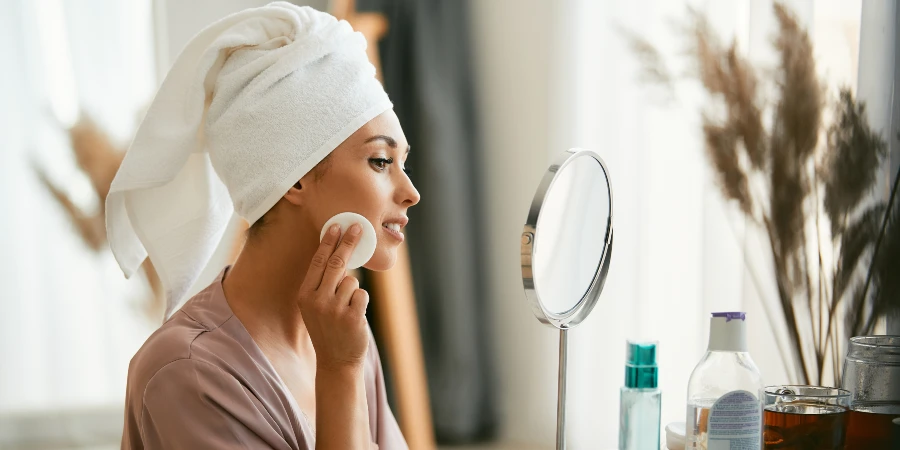
Remedies for acne begin with proper cleansing. Washing your face removes excess oil, dirt, bacteria, and pollutants that accumulate throughout the day (Cosmopolitan). But here’s the catch—overwashing or scrubbing too aggressively can backfire, stripping your skin’s natural protective barrier and triggering even more oil production as compensation.
The British Association of Dermatologists recommends washing your face up to twice daily and after sweating, using a gentle, non-abrasive cleanser (British Association of Dermatologists). Choose products labelled “non-comedogenic” (meaning they won’t clog pores) and apply them with your fingertips rather than harsh scrubbing tools.
For those wondering how to get rid of pimples on the face naturally, start with lukewarm water and circular massage motions. Avoid hot water, which can irritate already inflamed skin. After cleansing, pat your face dry with a clean towel rather than rubbing vigorously.
Home remedies for acne like tea tree oil have gained attention. A 2019 study found that tea tree oil ointment caused less dry skin and irritation compared to benzoyl peroxide while maintaining effectiveness (Healthline). Always dilute tea tree oil with a carrier oil before applying—one part tea tree oil to nine parts water is recommended.
Gentle cleansing helps preserve the skin’s natural barrier and balance, making outbreaks less frequent.
2. Use a toner after cleansing
Toners serve as a secondary cleansing step, removing residual oil, product buildup, and bacteria that regular washing might miss (Dr. Bailey Skin Care). Modern formulations have evolved beyond the harsh, alcohol-based astringents of decades past. Today’s toners for acne-prone skin contain beneficial ingredients that actively fight breakouts.
Look for toners with salicylic acid (a beta-hydroxy acid that penetrates oil-filled pores to exfoliate from within) or glycolic acid (an alpha-hydroxy acid that gently removes dead surface cells). These chemical exfoliants help unclog pores and prevent new comedones from forming.
Witch hazel stands out as a particularly effective natural ingredient. It removes excess oil without over-drying, possesses mild antimicrobial properties against acne-causing bacteria, and contains anti-inflammatory compounds that soothe redness. The tannins in witch hazel temporarily contract skin, making pores appear smaller.
Apply toner immediately after cleansing by either tapping it directly onto skin or using a cotton pad to swipe across your face in outward motions. Focus on the T-zone if that’s where oiliness concentrates. Dermatologists emphasise that toners prepare skin to better absorb subsequent products for acne, including serums and moisturisers.
“A good toner can refresh and rebalance skin, setting the stage for your daily routine.” – British Association of Dermatologists
3. Use sunscreen

This might surprise you: what is good for acne includes daily sunscreen application, even though many people worry about products clogging their pores. UV radiation can worsen acne scarring, trigger post-inflammatory hyperpigmentation (dark spots that remain after pimples heal), and initiate inflammatory flares (PubMed).
A 2022 study revealed that sunscreen containing anti-inflammatory agents reduced inflammatory acne lesions significantly. The sunscreen also decreased porphyrin levels (substances produced by acne bacteria) compared to regular sunscreen.
Choose formulations specifically designed for acne-prone skin—look for labels indicating “oil-free,” “non-comedogenic,” and “mattifying” properties. Water-based mineral sunscreens with zinc oxide work particularly well because zinc itself possesses anti-inflammatory and antibacterial properties.
Sunscreen isn’t just about preventing damage—it’s an active component of acne treatment. Studies show that incorporating SPF into acne care routines enhances adherence to topical or systemic therapies and camouflages lesions when using tinted formulations.
Neglecting sunscreen can leave skin vulnerable to UV damage and worsen the appearance of acne scars.
4. Take a zinc and fish oil supplement
Zinc supplementation shows promise for treatment for severe acne and moderate cases alike. A 2025 study found that 57% of patients with mild to moderate acne experienced at least 50% improvement in their symptoms after taking oral zinc sulphate (TheJas). The mean reduction in acne severity scores ranged from 25% to 75%.
Zinc works through multiple mechanisms: it possesses anti-inflammatory properties that reduce swelling and redness, exhibits antibacterial effects against C. acnes, and helps regulate sebum production.
Fish oil containing omega-3 fatty acids (EPA and DHA—essential fats with potent anti-inflammatory properties) targets the inflammatory component of acne. A 2024 study found that 98.3% of acne patients had omega-3 deficits at baseline (PubMed).
Research shows mixed results for omega-3 alone, suggesting that omega-3 effectiveness may depend on individual factors and baseline deficiency levels. For those exploring how to remove acne through supplementation, combining zinc and fish oil may offer complementary benefits—zinc targets bacteria and oil production while omega-3s address inflammation.
Consistent use of zinc and omega-3 supplements may support healthier skin and reduce inflammation for many people.
5. Follow a low glycaemic index diet

The connection between diet and acne has shifted from controversial speculation to evidence-based science. Medications for acne aren’t your only option—what you eat profoundly influences your skin’s behaviour.
Multiple studies demonstrate that low-glycaemic diets (eating plans that emphasise foods that don’t rapidly spike blood sugar) significantly reduce acne severity (British Association of Dermatologists).
Why does this matter? When you consume high-glycaemic foods, blood sugar spikes, triggering a corresponding insulin surge. Elevated insulin activates androgens and increases insulin-like growth factor 1 (IGF-1), both of which stimulate sebum production and promote the rapid growth of skin cells that clog pores.
A 2018 trial found that a low glycaemic index and glycaemic load diet decreased IGF-1 concentrations among adults with moderate to severe acne. Another study of 2,258 patients on a low-glycaemic diet reported that 87% experienced less acne.
What foods worsen acne?
Research consistently points to refined carbohydrates, sugary drinks, milk and dairy products, fast food, and foods combining high fat with high sugar.
For those wondering how to get rid of pimples on the face, start by replacing refined carbohydrates with whole grains, loading up on fresh vegetables and fruits, choosing lean proteins, and dramatically reducing sugar intake.
“Balanced nutrition is essential for clear skin and overall well-being.” – British Nutrition Foundation
6. Reduce dairy intake
The dairy-acne connection has generated substantial research interest. A 2019 meta-analysis found a positive relationship between dairy consumption—particularly total milk, whole milk, low-fat, and skim milk—and acne occurrence (ScienceDirect).
The mechanisms appear complex. Milk naturally contains hormones and bioactive molecules, including insulin-like growth factor (IGF-1) and androgens, which can stimulate sebaceous glands. Additionally, dairy consumption may trigger insulin responses similar to high-glycaemic foods.
Interestingly, some research suggests skim milk shows the strongest association with acne compared to whole-fat dairy. Individual responses vary considerably—some people notice dramatic improvements when eliminating dairy, while others see no change.
For how to remove hormonal acne, consider conducting a dairy elimination trial. Remove all dairy products for 4–6 weeks and monitor your skin’s response.
Some people find their skin improves significantly after reducing dairy, while others may see little change.
7. Reduce stress

The stress-acne cycle operates bidirectionally—stress worsens acne, and acne increases stress, creating a self-perpetuating loop that’s challenging to break (Rupa Health).
When you experience stress, your hypothalamic-pituitary-adrenal (HPA) axis activates, releasing corticotropin-releasing hormone (CRH) and cortisol. These hormones stimulate sebaceous glands to increase oil production, creating ideal conditions for pore blockage.
A 2017 cross-sectional study of female medical students found that stress severity strongly correlated with acne severity in a statistically significant way.
Chronic stress doesn’t just affect hormones—it compromises your skin’s antimicrobial defences, altering the bacterial balance (dysbiosis) and making C. acnes proliferation more likely.
How to reduce swelling of a pimple quickly? Stress reduction techniques help more than you might expect. Regular exercise, meditation, adequate sleep (7–9 hours nightly), and relaxation training have been shown to improve acne outcomes.
Long-term stress can trigger acne flare-ups and make outbreaks harder to control.
8. Seek professional facial care
While at-home routines form the foundation of acne treatment, professional interventions can dramatically accelerate results, especially for persistent or severe acne. Dermatologists and licensed aestheticians offer targeted treatments that penetrate deeper than over-the-counter products and address multiple acne factors simultaneously (Jupiter Dermatology).
Facials with microdermabrasion rank among the most effective professional treatments for acne-prone skin. This procedure uses tiny crystals or a diamond-tipped wand to gently exfoliate the skin’s surface, removing dead cells that clog pores.
Chemical peels offer another powerful option. Dermatologists apply chemical solutions that cause the upper skin layer to peel away. Superficial peels are recommended for acne—these gentle treatments can be repeated every two months.
Laser therapy has emerged as a cutting-edge solution for treatment for severe acne. Non-invasive laser treatments target sebaceous glands responsible for excessive oil production.
For how to eliminate acne forever, consider that 85% of individuals consulting dermatologists witness noticeable improvement in their symptoms.
The OxyGeneo Charcoal Facial, a newer three-in-one treatment, purifies pores, balances oily skin, improves texture, and smooths skin simultaneously.
Consulting a dermatologist for persistent or severe acne is usually more effective than over-the-counter solutions.
How to prevent pimples?
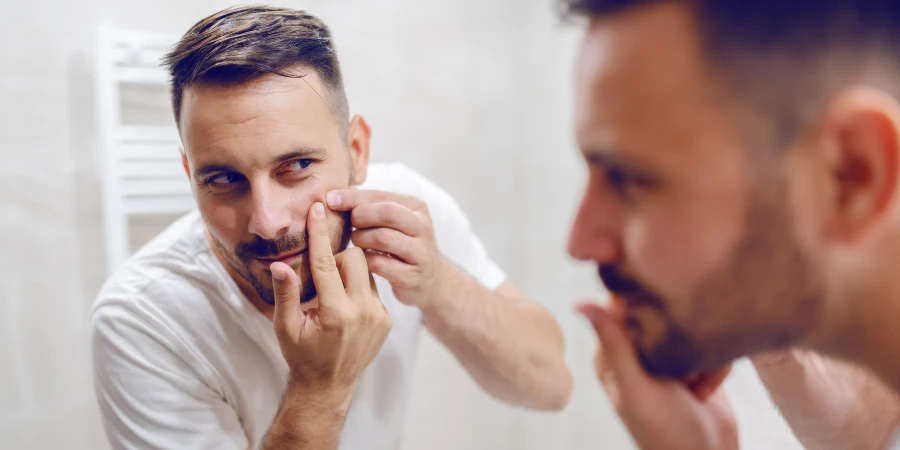
Prevention requires consistent attention to multiple factors. Start with a solid skincare routine: cleanse twice daily with a gentle, non-comedogenic cleanser, apply toner to remove residual impurities, use oil-free moisturiser (even oily skin needs hydration to prevent compensatory oil production), and apply broad-spectrum SPF 30+ sunscreen every morning (British Association of Dermatologists).
- Never pick, pop, or squeeze pimples, as this introduces more bacteria, worsens inflammation, and significantly increases scarring risk. Avoid touching your face throughout the day—your hands carry bacteria and oils that transfer to your skin, potentially triggering new breakouts.
- Sun protection deserves special emphasis for scar prevention—UV radiation stimulates melanin production responsible for brown marks and makes red marks appear angrier. Incorporating SPF into your daily routine with products like those containing anti-inflammatory ingredients helps reduce the incidence of post-inflammatory hyperpigmentation and erythema (persistent redness).
- Consider your environment too. Keep anything that touches your face clean—pillowcases, phone screens, makeup brushes, and headbands all harbour bacteria and should be washed or sanitised regularly. If you wear hats or headbands frequently, ensure they’re not too tight, as friction and occlusion can trigger breakouts on your forehead.
- For long-term prevention, maintain the dietary modifications discussed earlier: emphasise low-glycaemic foods, minimise dairy if you’ve identified it as a trigger, stay hydrated, and limit high-fat, high-sugar combinations.
- Regular exercise helps manage stress hormones while improving circulation and supporting overall skin health—just remember to cleanse after sweating to prevent pore blockage.
| Prevention Strategy | Key Actions | Expected Benefit |
| Daily Skincare | Cleanse twice daily, use toner, moisturise, apply SPF | Removes excess oil and prevents pore blockage |
| Dietary Modification | Low-glycaemic foods, reduced dairy and sugar | Decreases insulin spikes and sebum production |
| Stress Management | Regular exercise, adequate sleep, relaxation techniques | Lowers cortisol levels and inflammation |
| Professional Care | Monthly facials, dermatologist consultations | Addresses persistent acne and prevents scarring |
| Hygiene Practices | Clean pillowcases, avoid face-touching, sanitise phones | Reduces bacterial transfer to skin |
FAQ
What causes pimples on the face?
Pimples form when hair follicles become clogged with a combination of excess sebum and dead skin cells (Mayo Clinic). Sebaceous glands produce oil to lubricate and protect your skin, but various factors can trigger overproduction—hormonal fluctuations during puberty, menstruation, or stress being the most common culprits.
Once pores are blocked, Cutibacterium acnes bacteria multiply in the oxygen-free environment, triggering your immune system’s inflammatory response. Genetics significantly influence your susceptibility—if both parents had acne, you’re more likely to develop it too.
External factors like certain medicines (corticosteroids, lithium, anticonvulsants), oil-based cosmetics, and environmental conditions (high humidity, pollution) can worsen existing acne or trigger new breakouts.
“Acne often results from a combination of hormonal, genetic, and environmental influences.” – British Association of Dermatologists
What foods worsen acne?
Research consistently identifies several dietary categories associated with increased acne risk. High-glycaemic foods top the list—these include white bread, white rice, sugary cereals, pasta made with refined flour, fizzy drinks, sweetened beverages, and desserts containing white flour or concentrated sugars (British Association of Dermatologists).
A 2020 study found that adults with current acne were significantly more likely to consume milk, sugary drinks, and fatty and sugary products compared to those without acne.
Fast food items—burgers, chicken nuggets, sausages, chips, milkshakes—have been correlated with increased acne risk. Dairy products, particularly skimmed milk, show associations with acne in multiple studies. The relationship appears related to natural hormones and IGF-1 present in milk, which may stimulate sebaceous glands.
Limiting sugary, processed, and dairy foods may help reduce acne for some individuals.
Do zinc and omega-3 help against acne?
Yes, evidence supports supplementation with both nutrients, though results vary by individual. For zinc, a 2025 study demonstrated that 57% of patients with mild to moderate acne experienced at least 50% improvement after taking oral zinc sulphate (TheJas). Zinc functions through multiple anti-acne mechanisms: it reduces inflammation and swelling, fights C. acnes bacteria, and helps regulate oil production.
Omega-3 fatty acids (EPA and DHA from fish oil or algae) target acne’s inflammatory component. A 2024 study found that 98.3% of acne patients had omega-3 deficits at baseline (PubMed). A randomised controlled trial showed that EPA and DHA daily for 10 weeks significantly decreased acne lesions in people with mild to moderate acne. This suggests that omega-3 supplementation may work best for those with existing deficiencies or more severe inflammatory acne.
Supplements should not replace prescribed treatments; consult a healthcare professional before adding new supplements.
How to prevent acne scars?
Preventing scars requires a two-pronged approach: treating active acne promptly and avoiding behaviours that worsen scarring (PMC). Early treatment of active acne remains the single most effective preventive measure.
Most importantly—never pick, pop, squeeze, or scratch acne lesions. These actions dramatically increase inflammation, introduce additional bacteria, and push infected material deeper into the skin, significantly raising scarring risk.
Protect your skin from the sun religiously. UV radiation worsens scarring appearance and stimulates melanin production responsible for post-inflammatory hyperpigmentation (dark marks remaining after pimples heal).
Avoid harsh or abrasive cleansers, which increase inflammation responsible for scarring. For existing scars, numerous professional treatments offer improvement: laser resurfacing, chemical peels, microneedling, and soft-tissue fillers. Combination approaches often yield the best results by targeting different aspects of scarring.
Dermatologists can also prescribe topical retinoids that promote cell turnover and help prevent new scars from forming. Starting these treatments early—as soon as acne appears—provides the best chance of avoiding permanent scarring.
Scar prevention is most successful when acne is treated early and treated consistently over time.
How This Article Was Researched
This guide was compiled by the Suplint research team, referencing the latest data from peer-reviewed studies and reputable British and international health organisations. We analysed up-to-date medical literature on skin and acne health, ensuring all recommendations are science-based, practical, and appropriate for UK readers. All sources cited in this article are highly authoritative and reflect evidence published between 2020 and 2025. Please note: This article is not intended to replace professional medical advice. Always consult your GP or healthcare provider before making adjustments to your diet, lifestyle, or supplement choices.
References
- Mayo Clinic: https://www.mayoclinic.org/diseases-conditions/acne/symptoms-causes/syc-20368047
- American Academy of Dermatology: https://www.aad.org/public/diseases/acne-and-rosacea/can-the-right-diet-get-rid-of-acne
- StatPearls: https://www.ncbi.nlm.nih.gov/books/NBK459173/
- PubMed: https://pubmed.ncbi.nlm.nih.gov/36946555/
- Healthline: https://www.healthline.com/nutrition/13-acne-remedies
- TheJas: https://www.thejas.com.pk/index.php/pjhs/article/view/2683
- ScienceDirect: https://www.sciencedirect.com/science/article/abs/pii/S0261561418301663
- Rupa Health: https://www.rupahealth.com/post/the-connection-between-stress-and-acne
- Jupiter Dermatology: https://jupiterderm.com/the-4-best-treatments-for-acne-prone-skin/
- PMC: https://pmc.ncbi.nlm.nih.gov/articles/PMC5749614/
- Karger: https://karger.com/drm/article/doi/10.1159/000547515/933313/Strategic-Targets-in-Acne-Update-2025-The
- Cosmopolitan: https://www.cosmopolitan.com/style-beauty/beauty/a32239886/best-acne-skincare-routine/